Why No One Cares About Glass Repair
Understanding Glass Repair: Services, Techniques, and Best Practices
Glass is among the most versatile materials used in building and construction and style today. From windows and doors to mirrors and aquariums, glass serves numerous functions in both property and commercial spaces. However, regardless of its elegant look and sturdiness, glass is prone to damage. This short article will check out the different elements of glass repair, consisting of kinds of damage, repair methods, the ubiquitous question of when to repair versus change, and pointers for property owners.
Kinds Of Glass Damage
Glass can sustain damage from a variety of sources, consisting of effect, temperature level changes, and occupational wear. Here are some typical kinds of damage that might require repair:
Type of Damage
Description
Chips and Cracks
Little fractures in the glass surface area, often triggered by effects from debris or temperature changes.
Scratches
These can occur from incorrect cleaning methods or contact with tough surfaces.
Shattered Glass
Total breakage of the glass, typically rendering it unusable and necessitating overall replacement.
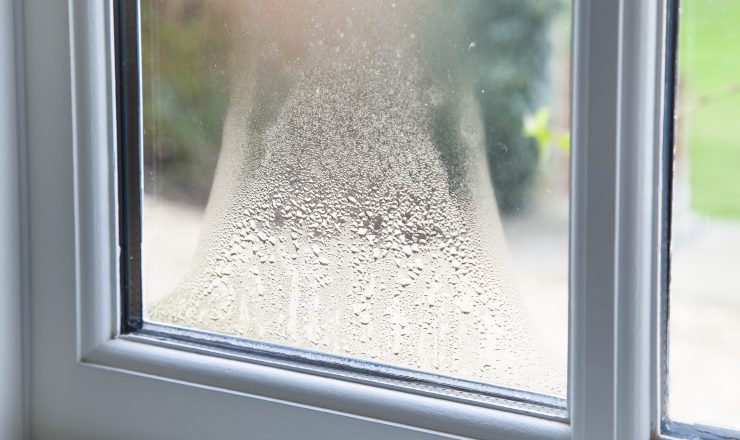
Foggy or Cloudy Glass
This condition often affects insulated glass units due to seal failure, leading to moisture trapped between panes.
Etched Glass
Unintended markings on the surface area that can occur from chemical direct exposure or abrasive cleaning.
Typical Glass Repair Techniques
When glass damage occurs, picking the ideal repair technique is important for preserving looks and performance. Below are some typical approaches used in glass repair:
Polishing: This approach is frequently used for scratches and light etching. Polishing compounds can be applied to rub out shallow marks, making the glass surface area smooth and clear again.
Resin Injection: For chips and little cracks, this strategy includes injecting a specialized resin into the broken location. When cured, the resin solidifies and offers extra strength while bring back openness.
Clear Adhesive: In cases where a little piece of glass has actually broken off (like a mirror), a clear adhesive can be used to bond the piece back onto the primary body, supplied the broken piece is still undamaged.
Replacement of Insulated Glass Units: This is the gold requirement for foggy or cloudy glass. The whole glass unit is eliminated, and a new, sealed unit is installed.
Security Film Application: For windows that have sustained effect damage, applying a safety film can enhance the glass and prevent shattering if there is a subsequent impact.
When to Repair vs. Replace
Identifying whether to repair or replace broken glass can be a tough choice. Here are some factors to think about:
Repair
- Cost-efficient: Repair can be substantially less costly than total replacement, specifically for small chips and scratches.
- Time-Saving: Many repair solutions can be completed rapidly, often within hours.
- Conservation of Original Features: When repairing older glass, it might be very important to maintain the original materials and characteristics.
Replace
- Degree of Damage: If the glass is seriously shattered or jeopardized, replacement may be the only practical choice.
- Enhance Energy Efficiency: Older windows may lack contemporary insulation abilities. Changing them can enhance energy efficiency, conserving costs in the long run.
- Security Concerns: Shattered glass positions a safety danger. Replacement guarantees that all safety requirements are satisfied.
Comparative Table: Repair vs. Replace
Requirements
Repair
Replace
Cost
Generally lower
Typically greater
Time
Quick turnaround
More lengthy
Damage Severity
Best for small problems
Best for substantial damage
Conservation
Initial features undamaged
New functions, less historic context
Security
Returns glass to use
Ensures safety compliance
Tips for Homeowners
To avoid requiring regular glass repairs, house owners can take proactive measures:
Regular Inspections: A regular examine glass features around the home can help catch small problems before they intensify.
Usage Proper Cleaning Materials: Avoid abrasive cleaners and tools that can scratch glass. Usage microfiber cloths and approved cleansing solutions.
Set Up Protective Films: For locations susceptible to impacts, installing protective movies can substantially decrease the opportunities of damage.
Temperature level Regulation: Especially for windows, maintaining a stable temperature helps to avoid stress fractures triggered by quick temperature level changes.
Professional Installation: Whenever possible, hire specialists for installation to make sure that glass is fitted correctly and firmly.
Frequently Asked Questions (FAQs)
1. Just how much does glass repair normally cost?
The cost of glass repair varies commonly based upon the kind of damage and the particular method utilized. Minor chip repairs may cost around ₤ 50-100, while bigger repairs or replacements can encounter the hundreds or thousands.
2. Can I perform glass repairs myself?
Some minor repairs can be DIY, such as polishing or utilizing resin for chips. However, it is advisable to speak with experts for serious damage or complex setups.
3. How long does Repair My Windows And Doors take?
The time needed for a repair can vary based upon the approach and level of damage however normally ranges from a couple of hours to a number of days.
4. What should I do if my window shatters?
If a window shatters, make sure security initially by using protective gear, eliminating sharp fragments, and calling a professional for correct removal and replacement.
5. Is it safe to drive with a split windscreen?
Driving with a split windshield can be dangerous, jeopardizing visibility and the car's structural integrity. It is recommended to resolve any windscreen damage as soon as possible.
Glass repair is an essential part of preserving both the aesthetic and functional worths of glass functions in homes and organizations. Comprehending the types of damage, repair alternatives, and understanding when to repair or replace can save homeowners time and cash while making sure security and longevity. With correct care and diligence, the appeal and utility of glass can be protected for lots of years to come.